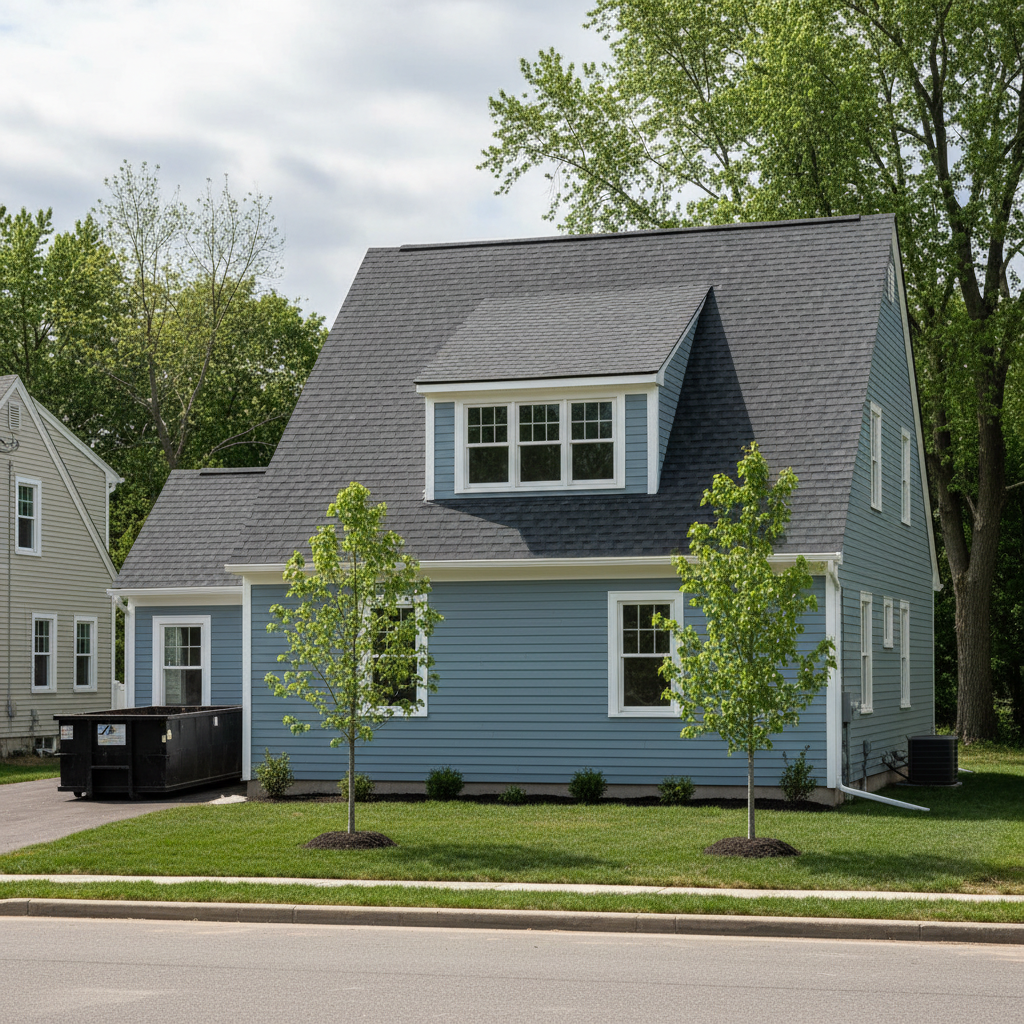
Alright, let's talk about finding a good roofer. It's not rocket science, but there are definitely some things you need to know to protect yourself and your home. I've been doing this for a long time, and I've seen the good, the bad, and the downright ugly. You don't want to end up with a leaky roof or a half-finished job, especially with our unpredictable New England weather.
What to Ask Potential Roofers
When someone comes to your house to give you an estimate, you're interviewing them. Don't be shy. Here are the must-ask questions:
- Are you licensed and insured? This is non-negotiable. Ask for proof, not just a verbal 'yes.' You want to see their Rhode Island contractor's license number and proof of general liability insurance and workers' compensation. If they don't have it, show them the door. You don't want to be liable if someone gets hurt on your property.
- How long have you been in business? A company that's been around for a while usually means they're doing something right. New companies can be good, but there's less track record.
- Can you provide local references? Ask for three, and actually call them. Ask about the quality of work, how they handled issues, and if they finished on time.
- What's your warranty on labor and materials? A good roofer will stand behind their work. Manufacturers offer warranties on shingles, but you need to know what the contractor guarantees for their installation.
- Who will be doing the work? Your crew or subcontractors? It's not necessarily a deal-breaker if they use subs, but you should know. Make sure those subs are also properly insured.
- How do you protect my property during the job? Good contractors will explain how they'll cover landscaping, clean up debris, and protect your siding. We're pretty meticulous about that at Paramount Roofing Solutions.
Decoding the Quote: What to Look For
You'll get a few quotes, and they won't all look the same. Here's what a solid quote should include:
- Detailed Scope of Work: It shouldn't just say 'new roof.' It needs to specify the type of shingles (manufacturer, model, color), underlayment, flashing, ventilation (ridge vent, soffit vents), drip edge, and any other components. Every layer matters.
- Material Breakdown: What brands are they using? Are they using quality materials or the cheapest stuff they can find?
- Permits: Who is responsible for pulling the necessary permits? In Warwick, you'll need one, and it should be the contractor's responsibility.
- Payment Schedule: A reputable contractor won't ask for 50% or more upfront. Typically, it's a deposit to secure materials, with the balance due upon satisfactory completion.
- Clean-up Plan: How will they handle debris? Will they use a magnetic sweep for nails?
- Total Cost: Obviously, this is important, but don't just pick the lowest number without comparing what's included.
Red Flags to Watch Out For
Some things should make you hit the brakes immediately:
- Door-to-door solicitations after a storm: These guys often swoop in, do shoddy work, and disappear. Be wary.
- Cash-only deals: This is a huge red flag. It usually means they're trying to avoid taxes and likely aren't legitimate or insured.
- High-pressure sales tactics: