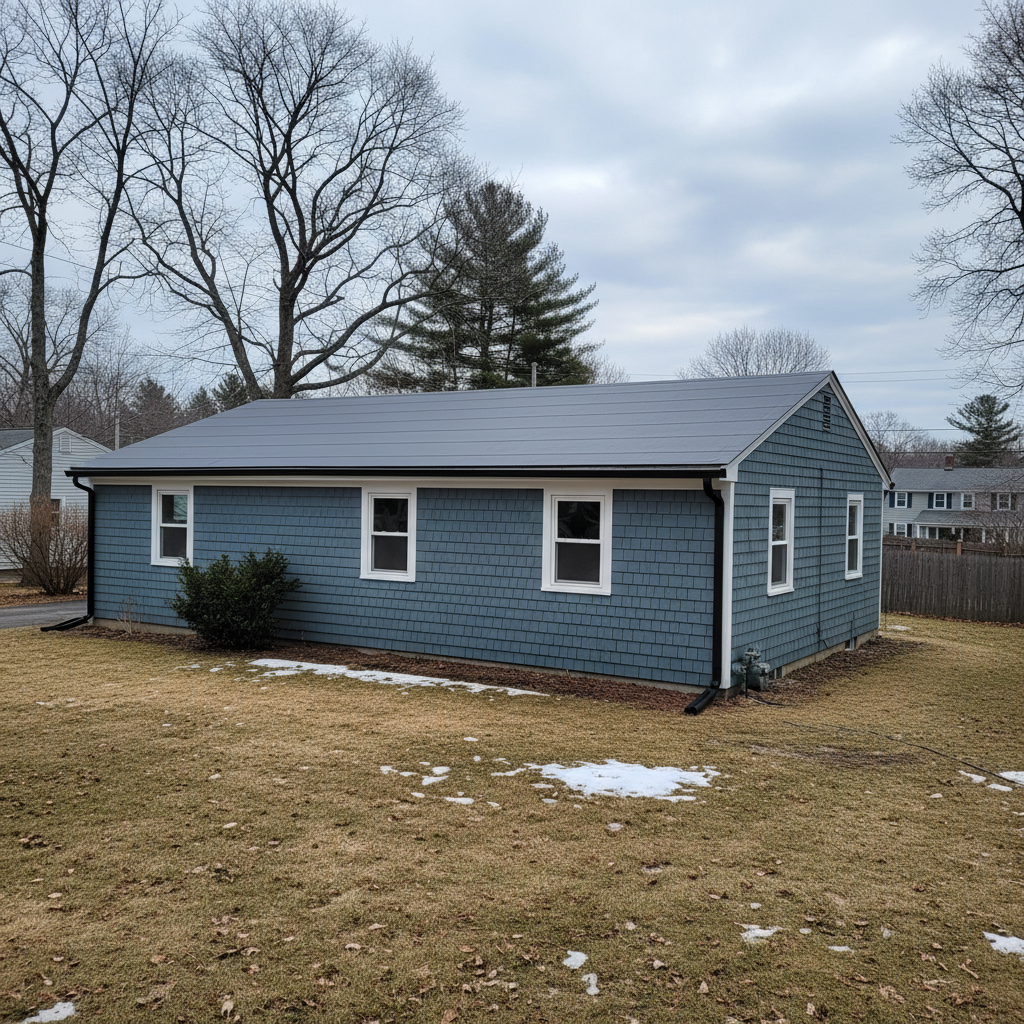
Flat roofs are pretty common on commercial buildings, and even some homes, right here in Warwick — especially if you drive through industrial spots like those near Jefferson Boulevard. They're great for making the most of your space and often cost less upfront than a sloped roof. But, let's be real, they come with their own challenges, particularly with our wild New England weather. Folks often ask me, "When's the best time to work on my flat roof?" or "What should I be looking out for?" So, let's just get into it.
Timing Your Flat Roof Work: It's All About the Weather
You can't just pick any old Tuesday for flat roof work. Honestly, the sweet spot for big flat roof repairs or replacements usually runs from spring through early fall. Why's that? Most flat roofing materials, especially the kind we roll on or apply in layers, need specific temperatures to cure right and create a watertight seal. Think about it: if it's too cold, the adhesives won't stick properly. Too hot, and some materials can get too soft or cure way too fast, which causes problems later on. We're really aiming for that Goldilocks zone, usually somewhere between 45 and 85 degrees Fahrenheit.
Spring often feels like the perfect time. The ground's thawed out, the heavy snows are (hopefully!) behind us, and temperatures are generally mild. It's a good chance to check for any winter damage and get things fixed before the summer heat kicks in. Fall, right before the deep cold really sets up shop, is another excellent window. You're getting the roof all buttoned up before winter's ice and snow really hit.
Weather Conditions That Make or Break the Job
Beyond just the temperature, other weather factors play a huge role. Rain, obviously, is a no-go. You can't put down a waterproof membrane if everything's already soaked, and you absolutely cannot expose the structure underneath to water during a tear-off. Even high humidity can mess with some applications. We need things dry, plain and simple.
Wind is another big one, especially here on the coast. A strong gust can make installing large sheets of membrane incredibly tough, even dangerous. It can also blow debris onto a surface we just prepped, which messes up the adhesion. We always check the forecast for wind speeds before we even think about starting a big flat roof project. If it's too windy, we'll reschedule. It's just not worth risking the crew or the quality of your roof, you know?
And then there's the sun. We need some warmth, sure, but intense, direct sunlight on a dark roof can make the surface unbelievably hot. Sometimes it goes way over the manufacturer's recommended application temperature for certain materials. This can lead to blistering or curing too fast. A good contractor, like us at Paramount Roofing Solutions, knows how to handle these conditions – maybe by starting earlier in the day or using specialized techniques.
Protecting Your Flat Roof Investment Year-Round
Once your flat roof is installed or repaired, the job isn't quite done. Regular maintenance is super important if you want to get the most out of it. Here's what I always tell people:
- Clear Debris Regularly: Flat roofs don't shed leaves, branches, and other junk like a pitched roof does. This stuff can hold moisture, encourage moss growth, and clog drains. Get up there (safely!) or have us do it a couple of times a year, especially after big storms.
- Check Drains and Scuppers: Water pooling on a flat roof is a huge problem. Make sure your drains, scuppers, and gutters are clear and working right. Blockages can lead to standing water, which puts immense stress on the membrane and the whole structure.
- Inspect for Cracks and Blisters: Give your roof a visual once-over a few times a year. Look for any small cracks, punctures, or spots where the membrane might be lifting or bubbling up. Catching these early can save you a lot of money down the road. Small repairs are usually quick and inexpensive.
- Snow Removal (Carefully!): Our Warwick winters can really dump a lot of snow. While flat roofs are built to hold a certain amount, excessive, heavy snow, especially if it turns to ice, can be too much. If you need to remove snow, use a plastic shovel and be incredibly careful not to damage the membrane. Better yet, call a professional who knows how to do it without causing harm.
Taking care of your flat roof isn't rocket science, but it definitely needs attention to detail and a healthy respect for the elements. By understanding when and how weather impacts your roof, you can make smarter decisions about maintenance and repairs, making sure your flat roof protects your property for years and years.